
Mission
Encountering What Has Yet to Find Words.
Within everyone lies a desire to do something or to live in a particular way.
Yet these aspirations do not always begin as clear words.
Spending time in nature.
Encountering culture.
Meeting people.
And quietly turning one’s attention inward.In such moments, thoughts and aspirations that had not yet found words gradually begin to take shape.
Working in Japan, kototama nurtures opportunities for each person to encounter the desire within them to do something or to live in a particular way, through a range of activities that include passing Japanese culture on within Japan and beyond.We do not seek to provide answers from outside.
Rather, we listen carefully to what already lies within each person, help give it words, and connect it to the form they hope it will take. At the same time, we nurture the foundations for living authentically through both mind and body.
Listening to What Has Yet to Find Words
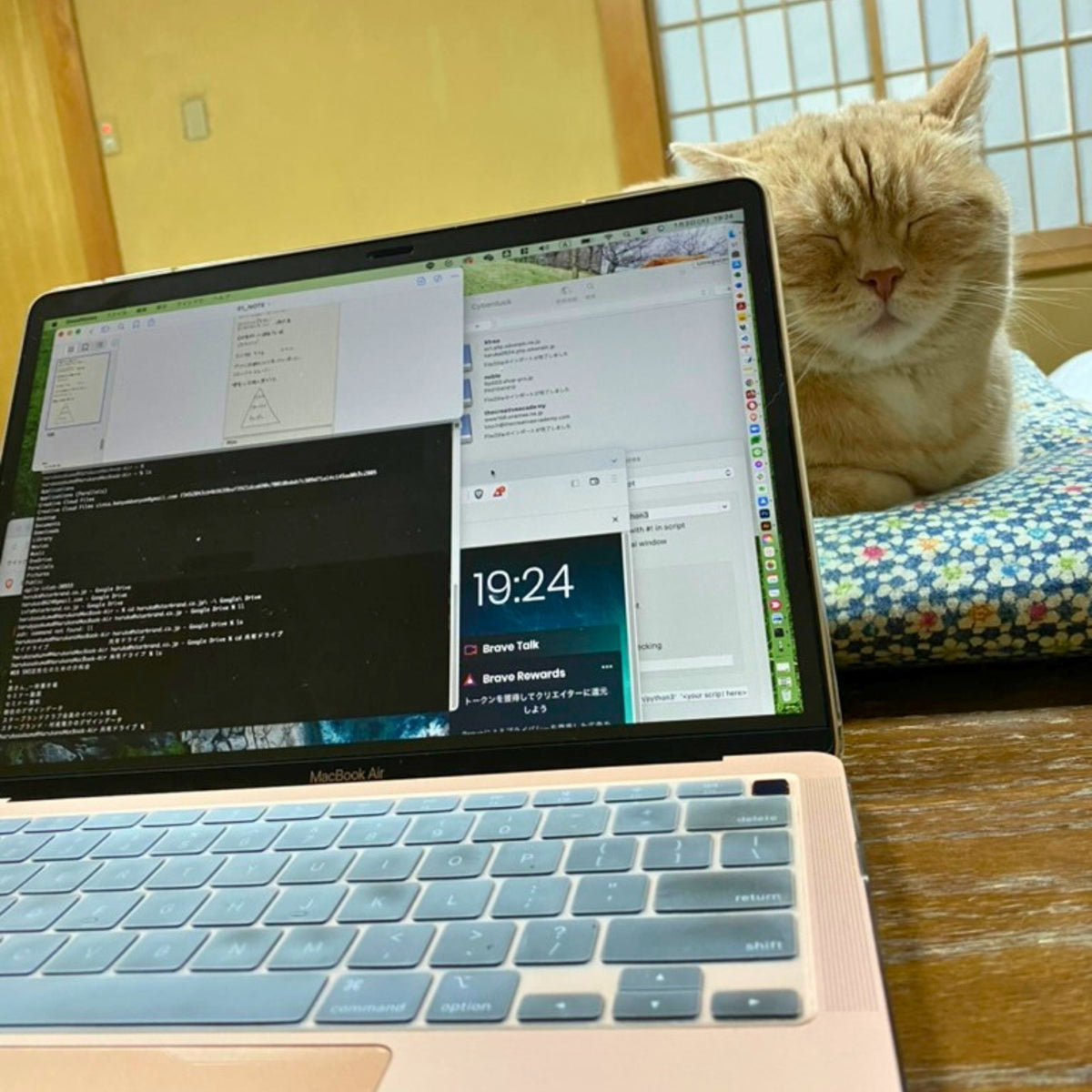
At the heart of kototama’s work is the experience of our Representative Director, who for many years worked alongside business owners through consultancy in IT and digital transformation, helping them articulate concerns that they felt but could not readily put into words.
They may struggle to organise digital and analogue information.
They may find it difficult to communicate the ideas in their minds to those around them in a clear and structured way.
They may act on an idea immediately, leaving employees and others involved unable to keep pace.
On the surface, these may appear to be issues of IT or business operations.
Yet behind them lie the business owner’s own patterns of thought and behaviour, communication within the organisation, and aspirations that even they have not yet been able to organise.
By carefully drawing out these unspoken thoughts, organising information and giving them practical form through improvements in IT and digital transformation, our Representative Director has seen not only business owners, but also the people who work with them, come to enjoy their work more fully.
We believe that such thoughts and aspirations, not yet put into words, are not limited to business owners. They exist within everyone.
To differing degrees, each of us may experience difficulty or constraint in some area of life.
At times, we may not realise what is troubling us, or may struggle to explain exactly where the difficulty lies.
For this reason, rather than looking only at the problem visible before us, we place great importance on listening to what lies beneath it and has not yet found words.
From ‘I Cannot’ to ‘I Want To’
It may not always be possible to remove every difficulty or limitation.
A characteristic that someone experiences as a difficulty may, when viewed differently or placed in another environment, reveal itself as one of their strengths.
For example, acting before fully thinking something through may cause a person to fall out of step with those around them. Yet it can also become a valuable ability to take the first step before anyone else.
The meaning of the same characteristic changes according to the environment and what the person hopes to achieve.
What matters is not to label that characteristic simply as good or bad.
We do not believe that people live solely to solve their difficulties.
What truly matters is to look not only at what one cannot do, but also at what one genuinely wants to do and how one wishes to live.
When a person discovers something they sincerely wish to pursue, a difficulty is no longer merely something to be eliminated.
What needs to be put in place to make that aspiration possible?
What adjustments can be made?
Whose support might be helpful?
And how can one live alongside one’s own characteristics and difficulties?
Being able to consider these questions can lead to a way of living with one’s difficulties.
Rather than focusing only on ‘I cannot’, we turn our attention to ‘I want to’.
Rather than blaming oneself for not being able to live well, we look towards the way one wishes to live.
We believe that this change in perspective can lead to a life that feels more authentic, more manageable and richer in spirit.
This is why kototama shines a light not on what a person cannot do, but on what they wish to do.
The Richness of Japanese Culture Found in Repetition
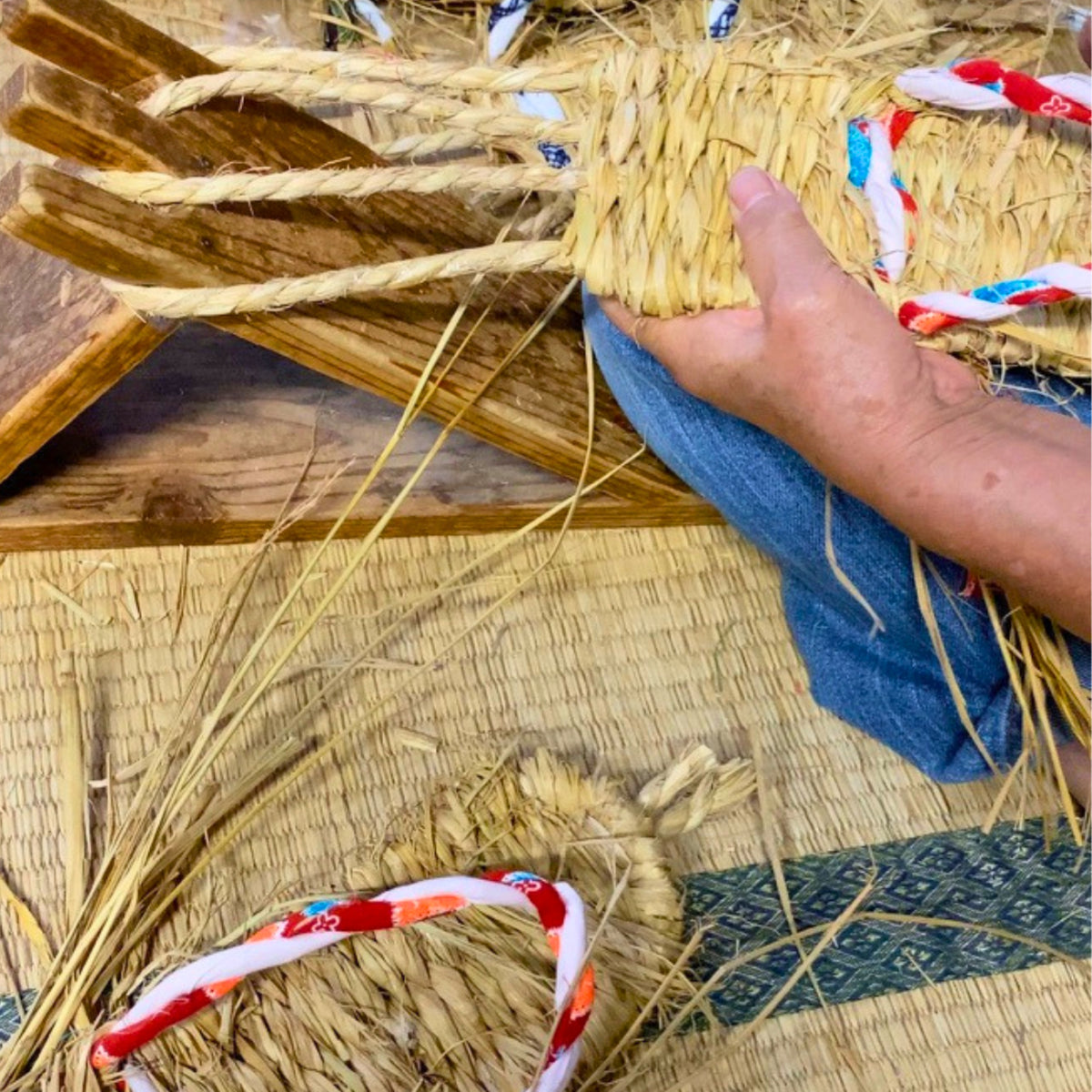
One reason kototama places particular value on Japanese culture, especially handcrafts, is that they contain time devoted to repeating the same movements with care.
Moving the hands.
Touching the materials.
Attending to the fragrance.
Refining the form.
Each action may appear very simple.
Yet even when the same action seems to be repeated, the result changes subtly according to the condition of the material, the body’s sensations that day, the degree of pressure, and the movement of breath and mind.
We believe it is within simple work that true adaptability is found.
Japanese approaches to learning include the idea of repeating the fundamentals until they become deeply rooted within oneself.
In Japanese martial arts, too, one does not begin immediately with contests or complex techniques. Instead, one repeatedly practises breakfalls, ways of protecting the body and fundamental movements.
Only after the foundations have been absorbed into the body over time can movement suited to a particular situation, and one’s own forms of application, begin to emerge.
Handcrafts are no different.
We learn inherited techniques, move the hands and body, and engage attentively with materials. Through this repetition, we become aware not only of technique, but also of how we approach things and of the condition of our own minds and bodies.
Handcrafts and martial arts also carry a history of skills being passed from person to person and from generation to generation.
Rather than separating technique from its context, it is passed on together with the circumstances in which it arose, the thinking of those who came before, and their relationship with materials and nature.
We believe that this is where an important beauty of Japanese culture lies.
Rather than seeking an immediate answer, we repeat one thing carefully.
That quiet time can become an opportunity to notice what lies within us and has not yet found words.
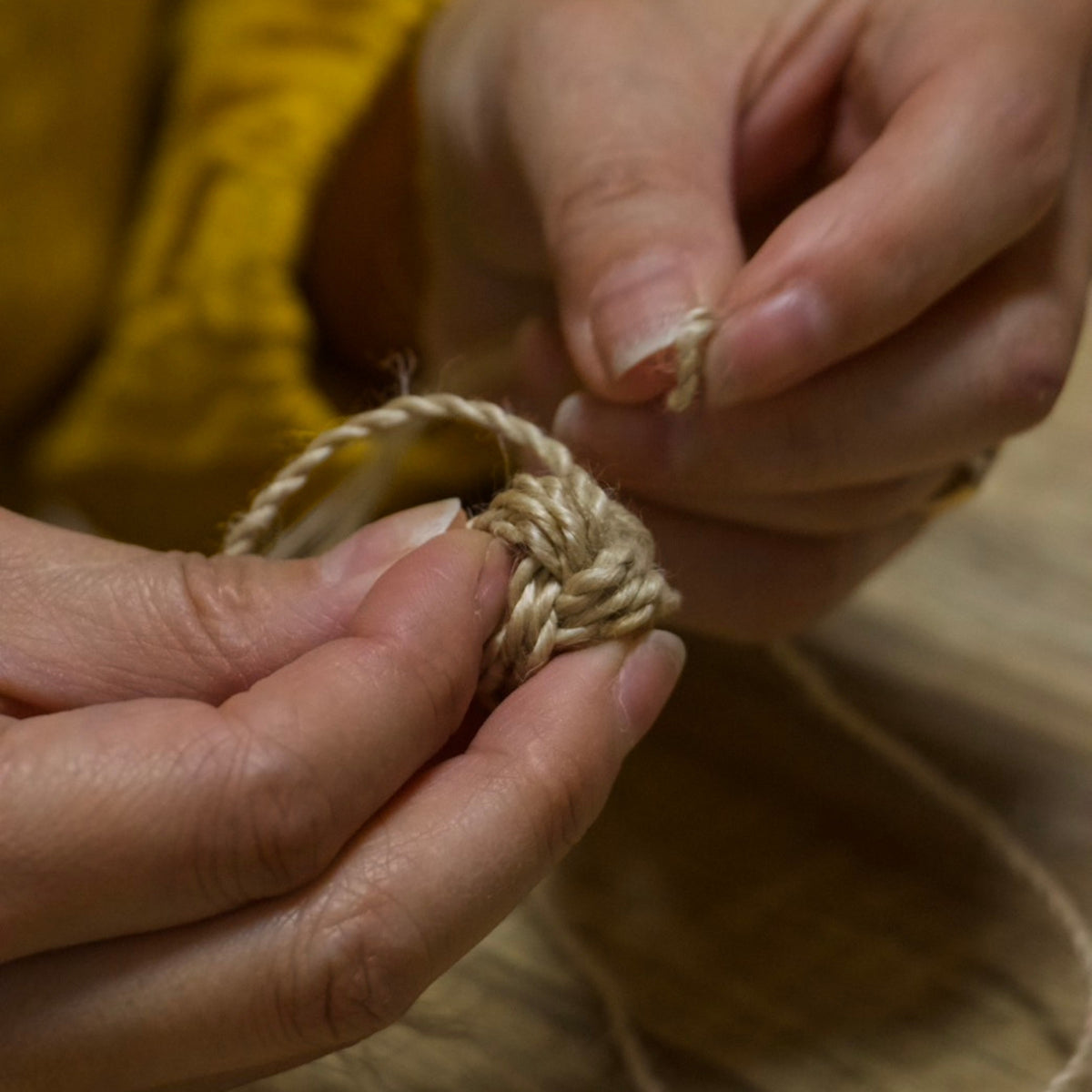
Making Words and the Body Our Own
When our thoughts and aspirations do not readily become words, it can be difficult to understand what we want or to communicate it to someone else.
Likewise, when we cannot move our bodies as we wish, the body may not be able to follow an aspiration, even when we know what we want to do.
Words and the body are both important means by which we express what lies within us to the outside world.
To give careful words to the thoughts and aspirations within us.
To understand our own bodies and find ways of using them that suit us.
As these two gradually come together, we believe that people can give form, in ways that feel right for them, to their desire to do something or to live in a particular way.
This is why kototama brings together the articulation of aspirations, Japanese culture and handcrafts, and work with mind and body under one mission.
Three Aims of kototama
To give form to this mission, General Incorporated Association kototama has set out the following three organisational aims.
01 | Draw Out Aspirations and Give Them Words and Form
We stay close to the thoughts, aspirations and difficulties within people that have not yet been fully organised, and through careful dialogue help give them words.
We then think alongside individuals and organisations as they discover answers that are right for them, and propose practical forms through which their aspirations can be realised.
02 | Rediscover the Beauty of Japan and Share It Across Borders
We look anew at the culture, handcrafts, techniques and ways of relating to nature that have been passed down in Japan.
We share them with people in Japan and abroad, not only as visible beauty or technique, but together with the thoughts and values behind them and the lives of those who have carried them forward.
03 | Pursue Wellbeing in Mind and Body
To understand one’s own aspirations through words.
To turn inward through culture and handcraft.
And to understand one’s body and find ways of using it that suit the individual.
Through this continuing process, we pursue wellbeing in mind and body so that each person may express the beauty and strength they already possess.
So That Each Person’s Aspirations May Lead Towards the Future They Hope For
Within everyone lies a desire to do something or to live in a particular way.
Yet these aspirations do not always begin as clear words.
Spending time in nature.
Encountering culture.
Meeting people.
And quietly turning one’s attention inward.
In such moments, thoughts and aspirations that had not yet found words gradually begin to take shape.
Working in Japan, General Incorporated Association kototama nurtures opportunities for each person to encounter the desire within them to do something or to live in a particular way, through a range of activities that include passing Japanese culture on within Japan and beyond.
We do not seek to provide answers from outside.
Rather, we listen carefully to what already lies within each person, help give it words, and connect it to the form they hope it will take. At the same time, we nurture the foundations for living authentically through both mind and body.